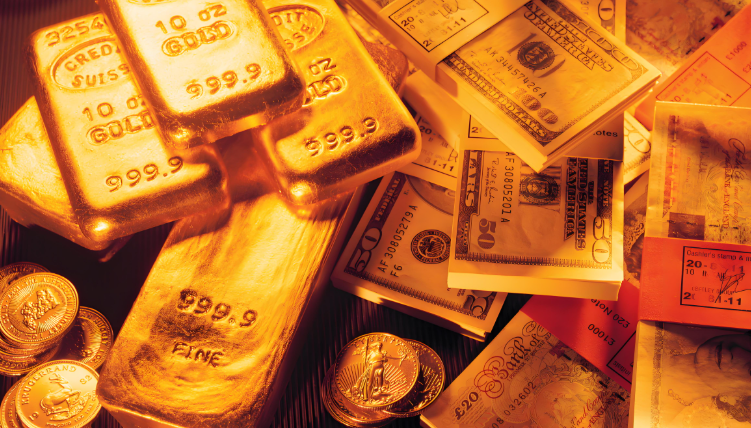
You check your portfolio and see it. A sharp, gut-wrenching drop in the value of your gold and silver holdings. It's not a gentle dip; it feels like a cliff. In recent memory, particularly through 2022 and into 2023, precious metals investors have faced this reality head-on. The classic "safe havens" didn't feel so safe. So, what really happened? The short answer is a perfect storm of aggressive central bank policy, a surging US dollar, and a fundamental shift in investor psychology away from inflation hedging towards yield chasing. But that's just the surface. Let's peel back the layers to understand the mechanics of the crash and, more importantly, what it signals for the future.
Your Quick Guide to Understanding the Price Drop
The Perfect Storm: Primary Drivers of the Crash
Precious metals don't trade in a vacuum. Their price is a tug-of-war between fear and greed, between the desire for safety and the lure of profit elsewhere. The recent plummet was caused by several heavyweight factors all pulling in the same downward direction.
The Federal Reserve's Hammer: Interest Rates and the Dollar
This is the big one, the factor that overshadows all others. To combat decades-high inflation, the Federal Reserve embarked on the most aggressive interest rate hiking cycle in over 40 years. Think about what this does.
First, higher interest rates make holding gold less attractive. Gold pays you no interest or dividends. When you can get a 5% yield on a virtually risk-free US Treasury bond, the opportunity cost of holding a zero-yielding asset like gold becomes painfully high. Money flows out of gold and into bonds.
Second, these rate hikes supercharged the US Dollar. The US Dollar Index (DXY) soared to 20-year highs. Since gold is priced in US dollars globally, a stronger dollar makes gold more expensive for buyers using euros, yen, or yuan. This crushes international demand. It's a simple currency math problem that acts as a constant headwind.
The Sentiment Shift: From Inflation Hedge to Risk-Off
Early in the inflation surge, gold did well as the classic hedge. But as the rate hikes kept coming, the narrative shifted. The market's fear transformed from "inflation will ruin us" to "the Fed's harsh medicine will cause a recession."
In a anticipated recession, two things happen. First, desperate investors and funds need cash to cover losses elsewhere (like in stocks or crypto), leading to forced liquidations of gold positions. I've seen this firsthand—large funds selling gold not because they believe in its long-term outlook, but because they have a margin call to meet. Second, in a deep risk-off environment, the US dollar and Treasuries often become the ultimate safe haven, outcompeting gold temporarily.
Technical Breakdown and Momentum Selling
Markets have a psychological component. Once key price levels are broken, it triggers automated selling from algorithms and discourages new buyers. The breach of major support levels for both gold (like the $1800 and later $1680 per ounce marks) and silver created a self-fulfilling prophecy of decline. Momentum traders jumped on the short side, exacerbating the fall. This isn't a fundamental driver, but it amplifies the move and shakes out weak hands.
| Primary Driver | Mechanism of Impact | Real-World Effect (2022-2023) |
|---|---|---|
| Aggressive Fed Rate Hikes | Increases opportunity cost of holding zero-yield gold; strengthens USD. | 10-Year Treasury yield jumped from ~1.5% to over 4%; DXY surged past 114. |
| Strong US Dollar (DXY) | Makes dollar-priced metals more expensive for foreign buyers. | European demand softened significantly as EUR/USD fell towards parity. |
| Shift to Yield-Chasing | Capital flows from assets without yield to those offering high yield. | Money moved out of gold ETFs (like GLD) and into money market funds. |
| Forced Liquidation & Risk-Off | Other asset losses trigger selling of metals to raise cash. | Correlated sell-offs seen during sharp equity market downturns. |
A Historical Perspective: This Has Happened Before
If you're feeling panicked, history can offer some cold comfort. Sharp corrections in gold and silver are part of their volatile DNA. The 2013 "Taper Tantrum" is a prime example. When the Fed merely hinted at slowing its bond purchases (quantitative easing), gold fell over 25% in a matter of months. The driver? The expectation of rising rates and a stronger dollar—the same script we just saw.
The 2008 financial crisis saw a similar pattern. Initially, gold sold off sharply as everything was liquidated for cash. It was only after the initial panic subsided and the implications of massive central bank stimulus became clear that gold launched its historic multi-year bull run. This nuance is critical. The initial reaction to a crisis is often a dollar squeeze, hurting gold. The longer-term inflationary consequence of the policy response is what fuels gold.
Looking at these cycles tells us one thing: the metals market is hypersensitive to US monetary policy turns. The crash isn't random; it's a direct, if painful, response to a specific policy environment.
What It Means for Investors and Your Next Move
Okay, prices crashed. Now what? This is where you move from understanding the problem to managing your portfolio. The wrong move is to let panic dictate your actions.
For the Long-Term Holder: If you own physical gold or silver as a permanent portfolio hedge (say 5-10% of your net worth), a crash should change very little. Your thesis was never about quarterly performance, but about insurance against systemic risk and currency debasement over decades. Volatility is the price of admission. In fact, seasoned accumulators see these dips as opportunities to cost-average in at lower prices. The key is to ensure this allocation isn't money you might need for a down payment next year.
For the Tactical Investor: If you're more active, the environment demands a change in strategy. Fighting the Fed has been a losing game. Instead of just buying the dip, look for confirmation of a trend change. Key signals to watch include:
- A Pivot in Fed Rhetoric: The shift from "higher for longer" to discussions of pausing or cutting rates. Follow the Fed's own statements and the CME FedWatch Tool.
- Dollar Weakness: A sustained breakdown in the DXY below key support levels.
- Physical Demand Surge: Reports of strong buying from central banks (like China or India) or record sales from mints can indicate a floor is forming.
One subtle mistake I see: people conflate silver's industrial demand story with its monetary story during a crash. In a growth scare, weak industrial demand (for electronics, solar panels) can be an additional weight on silver compared to gold. Don't assume they will always move in perfect lockstep on the way down.
Finally, consider what the crash has already priced in. The market is a discounting mechanism. The brutal sell-off likely reflects expectations of a severe recession and sustained high rates. If the upcoming reality is less bad than those fears (a "soft landing"), that in itself could be a catalyst for a metals rebound, even before rates actually fall.